Leveraging AI-Optimized Job Postings for Better Talent Acquisition
June 29, 2026
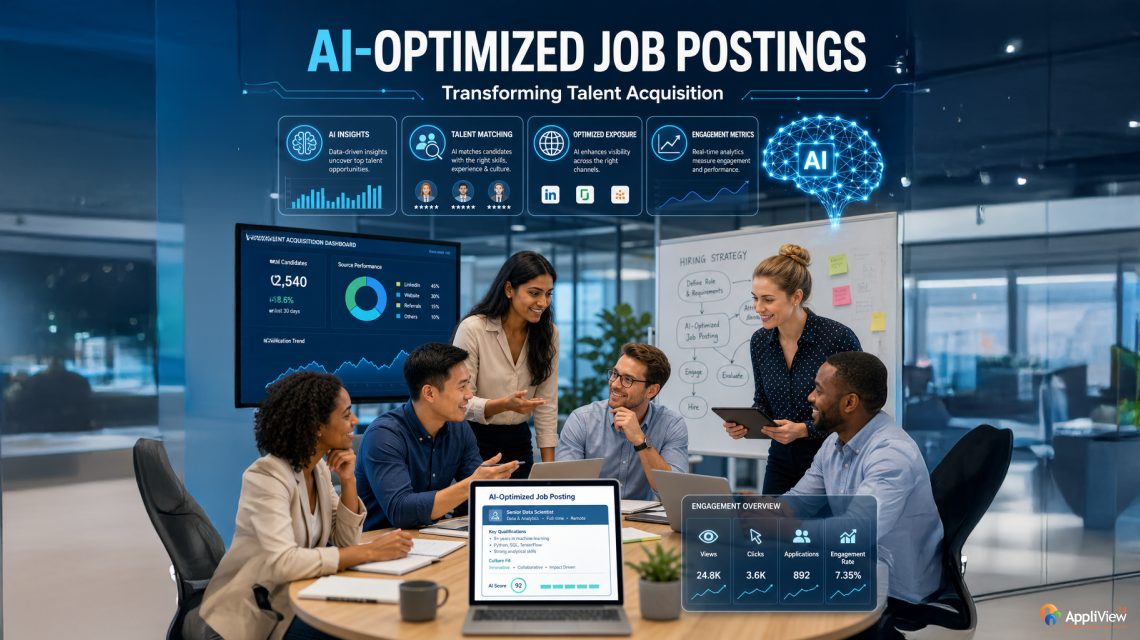
AI-optimized job postings are transforming modern recruitment by creating more engaging, inclusive, and searchable job descriptions. Using artificial intelligence and natural language processing, organizations can improve candidate matching, reduce hiring bias, optimize job board visibility, and continuously refine job advertisements based on performance data. As AI continues to evolve, businesses adopting intelligent recruitment strategies gain a competitive advantage in attracting top talent while reducing time-to-hire and improving overall hiring quality.
Why AI-Optimized Job Postings Matter Now
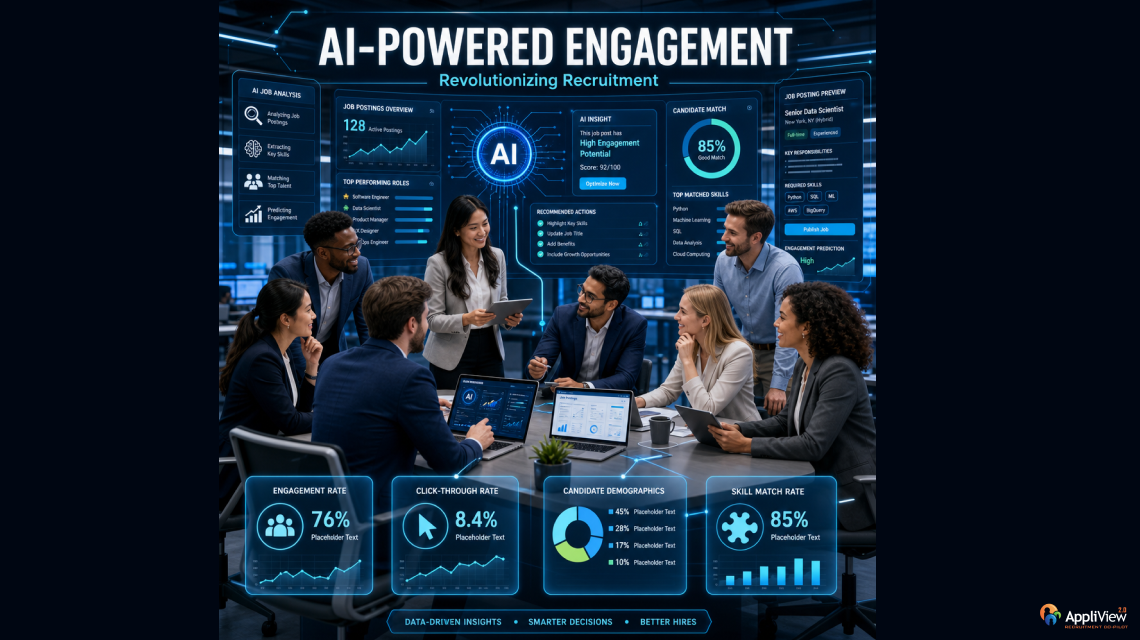
Today’s hiring market is more competitive than ever. Candidates compare companies, job roles, and workplace experiences before applying, while job boards and search engines rank listings based on keywords, relevance, and engagement, making AI-optimized job postings essential for attracting the right talent. With AI-powered recruitment, organizations can create engaging, keyword-rich job descriptions that improve visibility, enhance candidate matching, reduce biased language, and strengthen their overall talent acquisition strategy through continuous performance optimization.
The Evolution of Job Postings

The evolution of AI-optimized job postings reflects how recruitment has transformed from traditional hiring methods to intelligent, data-driven strategies. Below are the key stages in this evolution:
1. Static Job Ads (Pre-Digital): Job advertisements were published in newspapers and bulletin boards, offering limited reach and slow feedback.
2. Online Job Boards & ATS: Recruitment moved online through job boards and Applicant Tracking Systems (ATS), but keyword optimization remained a manual process.
3. Data-Driven Recruitment: Recruiters began using metrics such as clicks, views, and applications to improve job postings, although optimization was still time-consuming.
4. AI & NLP Integration: Artificial Intelligence (AI) and Natural Language Processing (NLP) improved candidate matching, optimized keywords, and helped eliminate biased language.
5. Generative AI Optimization: Modern AI-optimized job postings can create, analyze, and continuously improve job descriptions using real-time data, helping businesses attract better candidates and improve hiring outcomes.
Core Principles of AI-Optimized Job Postings

Successful AI-optimized job postings are built on key principles that help organizations attract qualified candidates, improve hiring outcomes, and streamline the recruitment process.
Clarifying and Aligning the Role: AI analyzes market trends and industry data to create accurate job descriptions with realistic expectations, helping attract qualified candidates while reducing irrelevant applications.
Language Optimization for Engagement and Inclusivity: Using Natural Language Processing (NLP), AI improves readability, removes jargon, and identifies biased language to create more inclusive job postings.
Better Candidate Matching: AI matches job requirements with candidate skills and experience, improving candidate matching and increasing the chances of successful hires.
Search and Visibility Optimization: AI-optimized job postings use relevant keywords and structured content to rank higher on job boards and search engines, making it easier for qualified candidates to find your openings.
Continuous Performance Improvement: AI tracks recruitment metrics such as views, clicks, and applications, providing recommendations to continuously improve job postings and increase hiring efficiency.
Practical Applications of AI-Optimized Job Postings
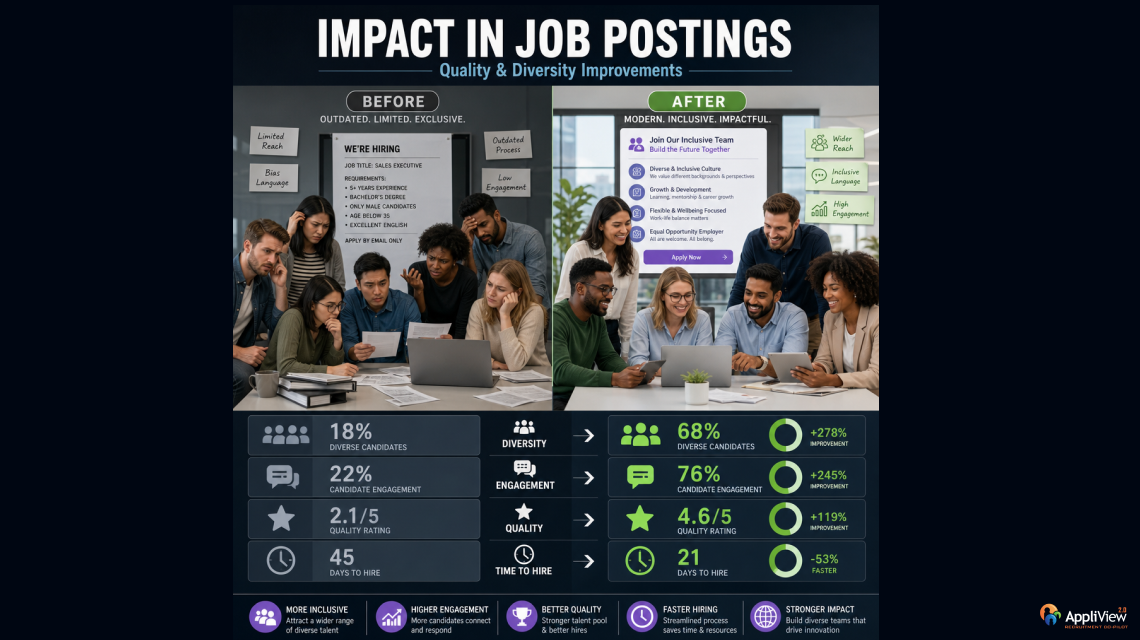
Businesses across industries are using AI-optimized job postings to improve recruitment results, attract qualified candidates, and streamline hiring processes. Here are some common use cases:
Rewriting Low-Performing Job Ads: AI improves poorly performing job descriptions by enhancing clarity, adding relevant keywords, and making them more engaging to attract qualified applicants.
Expanding Diversity in Hiring: AI identifies biased or gender-coded language and recommends inclusive wording, helping organizations attract a more diverse and qualified talent pool.
Reducing Time-to-Fill: With AI-powered recruitment, organizations can create optimized job postings and speed up candidate screening, helping recruiters fill high-volume and seasonal roles more efficiently.
Challenges and Considerations

While AI-optimized job postings offer many benefits, organizations should address a few important challenges to ensure fair, transparent, and effective hiring.
Bias and Fairness: AI systems can reflect existing biases if they are not properly monitored. Regular reviews help ensure hiring decisions support diversity, equity, and inclusion (DEI) goals.
Maintaining an Authentic Brand Voice: AI can generate high-quality content, but human oversight is essential to ensure job postings reflect your company’s culture, values, and employer brand.
Transparency with Candidates: Being open about how AI is used during the recruitment process builds trust and creates a better candidate experience.
Compliance and Governance: Organizations should establish clear policies for using AI in hiring to maintain legal compliance, ensure consistency, and promote fair recruitment practices.
Future Trends of AI in Recruiting

The future of AI-optimized job postings is focused on making recruitment smarter, faster, and more personalized. Here are some emerging trends shaping the future of hiring.
Hyper-Personalized Job Descriptions: AI will create customized job postings based on candidates’ skills, experience, and preferences, making roles more relevant and engaging.
Predictive Hiring Insights: By analyzing historical hiring data, AI will identify the skills and qualities that contribute to long-term employee success, helping organizations make better hiring decisions.
Interactive Candidate Engagement: Future AI-powered recruitment will include chatbots and virtual assistants that answer candidate questions and provide real-time support throughout the hiring process.
Continuous Market Benchmarking: AI will monitor salary trends, in-demand skills, and competitor job postings, helping organizations keep their job descriptions competitive and up to date.
Conclusion
AI is reshaping how organizations create and optimize job postings. From improving job description quality and increasing search visibility to supporting diversity initiatives and enhancing candidate matching, AI-driven recruitment delivers measurable improvements throughout the hiring process. While human oversight remains essential to preserve authenticity, fairness, and compliance, combining AI with strategic recruitment practices enables organizations to attract better talent faster, improve hiring outcomes, and build stronger teams for long-term success.