Automating job descriptions is revolutionizing modern talent acquisition by replacing static, outdated role descriptions with AI-powered, dynamic, and data-driven content. Organizations can create accurate, consistent, and inclusive job descriptions faster while improving recruitment efficiency, candidate experience, and workforce planning. Although challenges such as bias, implementation complexity, and over-standardization exist, businesses that combine AI automation with human oversight can build agile hiring strategies. As AI continues to evolve, dynamic job descriptions integrated with talent management systems and skills databases will become a key component of future-ready HR operations.
The Importance of Automating Job Descriptions

In today’s competitive hiring landscape, organizations must recruit top talent quickly while complying with evolving industry regulations and workforce demands. Automating job descriptions with AI-powered recruitment tools has become a strategic solution for improving hiring efficiency and consistency. Instead of relying on outdated, static job descriptions, businesses are using AI job description automation to create dynamic, accurate, and skills-based role descriptions that align with organizational goals and talent acquisition strategies. By implementing automating job descriptions, HR teams can streamline the content creation process, reduce manual effort, improve job description quality, and ensure consistency across hiring campaigns. This approach not only enhances recruitment efficiency but also improves the candidate experience, supports workforce planning, and helps organizations attract the right talent faster.
The Evolution from Static to Dynamic Job Descriptions

Organizations have traditionally relied on static job descriptions that quickly become outdated as business needs and workforce requirements evolve. Automating job descriptions enables companies to replace rigid role definitions with dynamic, data-driven job profiles that accurately reflect changing responsibilities, required skills, and organizational objectives. Powered by AI job description automation, businesses can break roles into specific tasks that are either automated or performed by employees, creating more flexible and future-ready workforce structures. By adopting automating job descriptions, organizations can align job roles with internal competency frameworks, market trends, and evolving talent acquisition strategies. This modern approach improves workforce planning, supports skills-based hiring, and helps businesses build an agile workforce capable of adapting to continuous technological and business changes.
Pros of Automating Job Descriptions
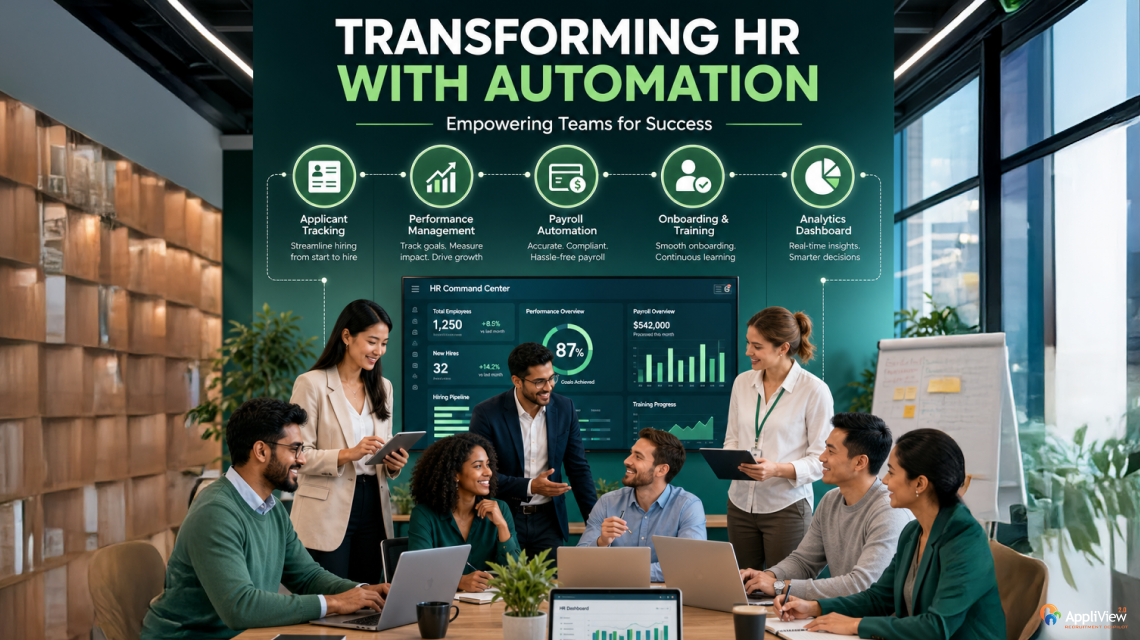
Automating job descriptions offers numerous benefits that help organizations improve hiring efficiency, maintain consistency, and strengthen their overall talent acquisition strategy. By leveraging AI-powered job description automation, HR teams can create accurate, engaging, and standardized job descriptions while reducing manual effort and accelerating the recruitment process.
- Efficiency and Speed: Automating job descriptions enables HR teams to generate well-structured, accurate job descriptions within minutes, significantly reducing the time required to create and publish job postings. This accelerates the hiring process and helps organizations fill critical positions faster.
- Quality and Consistency: Using AI job description automation ensures that job descriptions follow standardized formats, maintain consistent language, and accurately define roles and responsibilities. This improves clarity, strengthens employer branding, and minimizes confusion among job seekers.
- Improved Candidate Experience: Clear, detailed, and skills-based job descriptions help candidates better understand role expectations, enabling stronger self-selection and attracting more qualified applicants. This leads to a better candidate experience and improves the quality of hires.
- Strategic HR Focus: By automating job descriptions, HR professionals spend less time on repetitive administrative tasks and more time on strategic initiatives such as workforce planning, employee engagement, talent development, and long-term recruitment planning, creating greater value for the organization.
Challenges and Risks of Automation

While automating job descriptions offers significant advantages, organizations must address several challenges to ensure successful implementation and long-term value. Businesses should combine AI-powered job description automation with human oversight to maintain accuracy, fairness, and flexibility throughout the recruitment process.
- Generic Content: AI job description automation can sometimes generate generic or repetitive job descriptions that lack role-specific details, making it difficult to attract the most qualified candidates. Human review is essential to ensure each description reflects the organization’s unique requirements and culture.
- Bias Amplification: If AI models are trained on biased historical hiring data, they may unintentionally reinforce existing hiring biases. Organizations should regularly audit AI-powered recruitment tools and update training data to promote fair, inclusive, and bias-free hiring practices.
- Loss of Flexibility: Over-standardizing job descriptions through automating job descriptions may reduce the flexibility needed to customize roles for specific teams, departments, or evolving business needs. Maintaining a balance between consistency and customization is essential.
- Implementation Complexity: Integrating AI job description automation with existing HR software, applicant tracking systems (ATS), and talent management platforms can be challenging. Successful implementation requires careful planning, ongoing maintenance, data governance, and regular updates to ensure optimal performance and compliance.
Real-World Applications and Success Stories

Organizations across industries are leveraging automating job descriptions to improve hiring efficiency, standardize recruitment processes, and align job roles with evolving business needs. By using AI-powered job description automation, companies can create consistent, accurate, and skills-based job descriptions that enhance both recruiter productivity and candidate experience.
- Technology Industry: A leading technology company accelerated its recruitment process by implementing AI job description automation to standardize job descriptions across departments. This reduced the time required to create job postings, improved role clarity, and ensured better alignment between hiring managers and recruitment teams, resulting in faster hiring decisions.
- Manufacturing Industry: A manufacturing organization successfully used automating job descriptions to redefine employee roles after introducing workplace automation. By updating job descriptions to reflect new responsibilities, required skills, and reskilling opportunities, the company supported smoother workforce transitions, strengthened workforce planning, and improved long-term talent management.
Future Trends in Automating Job Descriptions

The future of automating job descriptions is driven by artificial intelligence, data-driven workforce planning, and continuous talent development. As organizations embrace AI-powered job description automation, job descriptions will evolve from static documents into dynamic, intelligent assets that support hiring, employee development, and long-term business growth.
- Dynamic Job Descriptions: Future AI job description automation tools will create living job descriptions that automatically update as responsibilities, required skills, and business priorities evolve. This ensures that job roles remain accurate, relevant, and aligned with organizational objectives.
- Integration with Talent Management: Automating job descriptions will become closely connected with talent management systems, skills databases, learning pathways, and performance metrics. This integration will support workforce planning, employee development, internal mobility, and continuous upskilling across the organization.
- AI as a Recruitment Co-Pilot: Next-generation AI-powered recruitment tools will act as intelligent assistants for hiring managers and candidates by providing real-time recommendations, skills matching, market insights, and personalized guidance. These capabilities will improve role suitability, enhance the candidate experience, and help organizations make faster, data-driven hiring decisions.
Conclusion
Automating job descriptions is no longer just a productivity enhancement—it’s a strategic advantage for modern HR teams. By leveraging AI-powered job description automation to create consistent, accurate, and skills-based job descriptions, organizations can accelerate hiring, improve candidate quality, reduce administrative workload, and align recruitment with long-term business goals. When implemented thoughtfully, AI-powered job description automation helps businesses build a more agile, inclusive, and future-ready workforce.